From the Editors: Work Underway to Level the Field of Infrastructure
It seems the topic of infrastructure has been increasingly coming up in my readings and conversations. I’m not sure of the reason—perhaps it’s because the due date for this column is near—but I think it’s more likely that this time of year causes the impact of our infrastructure to be more evident. Cold weather and the freeze/thaw cycles cause temporary road and bridge distress. It also puts a strain on heating and plumbing in our homes and buildings. When something does go wrong, the effort to remedy the situation often is impacted by the weather.
Environmental Justice
Since the passage of the Infrastructure Investment and Jobs Act (e.g., The Bipartisan Infrastructure Law (BIL)), there has been major improvement in addressing the shortcomings of our aging infrastructure. You can look up the projects that were and are being funded by this law in your area. These projects are being completed even in states where the representatives voted against the bill, but that’s how a bipartisan bill works. However, there’s another factor that’s to be considered in selecting projects: environmental justice.
A straightforward definition of environmental justice is the fair treatment of all people in the enforcement of laws as well as the selection and development of projects that address environmental and infrastructure shortcomings. Whether by neglect or design, communities of color and areas of poverty suffer from a less-than-average quality of their infrastructure and the improvements proposed.
Recognition of the inequities of environmental and infrastructure justice began in 1968 during the Memphis Sanitation Worker’s strike to bring attention to the problems with regular garbage collection and worker safety. Today, we’re still wrestling with how to provide an infrastructure that meets the needs of all the people in our country and on our planet. Communities worldwide—including in the United States—have marginal or sporadic access to electricity, clean water, reliable energy for heating and cooking, and the safe disposal of waste, let alone easy access to transportation to work and obtain food.
Examples of Progress
Part of the BIL provides funding for projects that include underserved communities as a primary focus. Below are only a few of the Federal Highway Administration projects being awarded Active Transportation Infrastructure Improvement Program grants. A complete list is available at bit.ly/4g0Inu3.
• The City of Philadelphia will receive nearly $13.7 million to close a critical gap in the Schuylkill River Trail by constructing the Wissahickon Gateway Trail and the Passyunk Connection adjacent to historically disadvantaged communities in the city’s southwest section, completing a 39-mile offroad, riverside, multi-use trail between Pottstown in Montgomery County and Southwest Philadelphia.
• The Puerto Rico Department of Transportation and Public Works will receive $2 million to plan and design an improved active transportation network in the Hato Rey neighborhood of San Juan that will include pedestrian and non-motorized connections linking jobs, schools, services and recreational facilities to each other and the Tren Urbano rail system.
• The Metropolitan Government of Nashville-Davidson County will receive nearly $9.4 million for its “East Nashville Spokes” project that will connect a historically underserved neighborhood with the economic opportunities of downtown Nashville and the massive East Bank redevelopment by providing safe transportation options and connections across Interstate 24 and the Cumberland River.
Global Reinvention
The United States, through recent governmental actions, is making positive strides to address our past inequitable infrastructure construction and maintenance. However, because people in the United States (and across the globe) still use fossil fuels for generating electricity, the transportation of people and goods, and energy to keep our homes operating, we produce more than half of the greenhouse gases emitted into the atmosphere with our infrastructure.
Perhaps improving and repairing our infrastructure isn’t enough. Certainly, we can’t try to solve these issues in a vacuum. Perhaps we need to look at the situation more globally. Rather than continuing to repair and provide revisions, we need to reinvent. Many people more forward-looking than me believe we have the technology to create a different, better world for everyone.
I’m old enough to remember the Memphis strike. It’s disheartening to know we’re still dealing with the inequities in the basic provisions of safe water, convenient transportation, clean air and affordable power for all people. We, as engineers, must take the lead in providing a safer, cleaner, better place for our children and their children.

About Robert Schickel
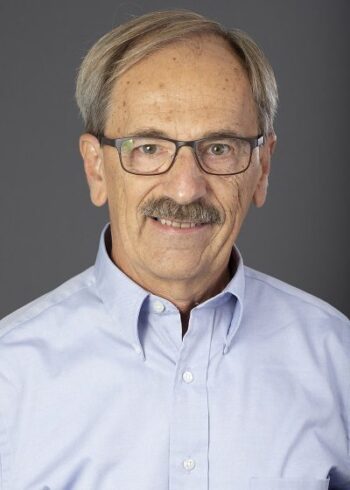
Robert Schickel was born in New Jersey and received his BS in Civil Engineering degree in 1971 from Valparaiso University in Indiana. His career started as a bridge design engineer and expanded to include design of various transportation facilities, including highways, bridges, rail lines and stations, and airport runways. Mr. Schickel managed engineering offices ranging from 20 to 140 people. He also served as a consultant to a large utility company. Mr. Schickel currently resides in Indiana and serves as Adjunct Professor for the College of Engineering at Valparaiso University. He enjoys his retired life at his lake house, playing golf, listening to music and spending time with his family, especially his grandchildren.